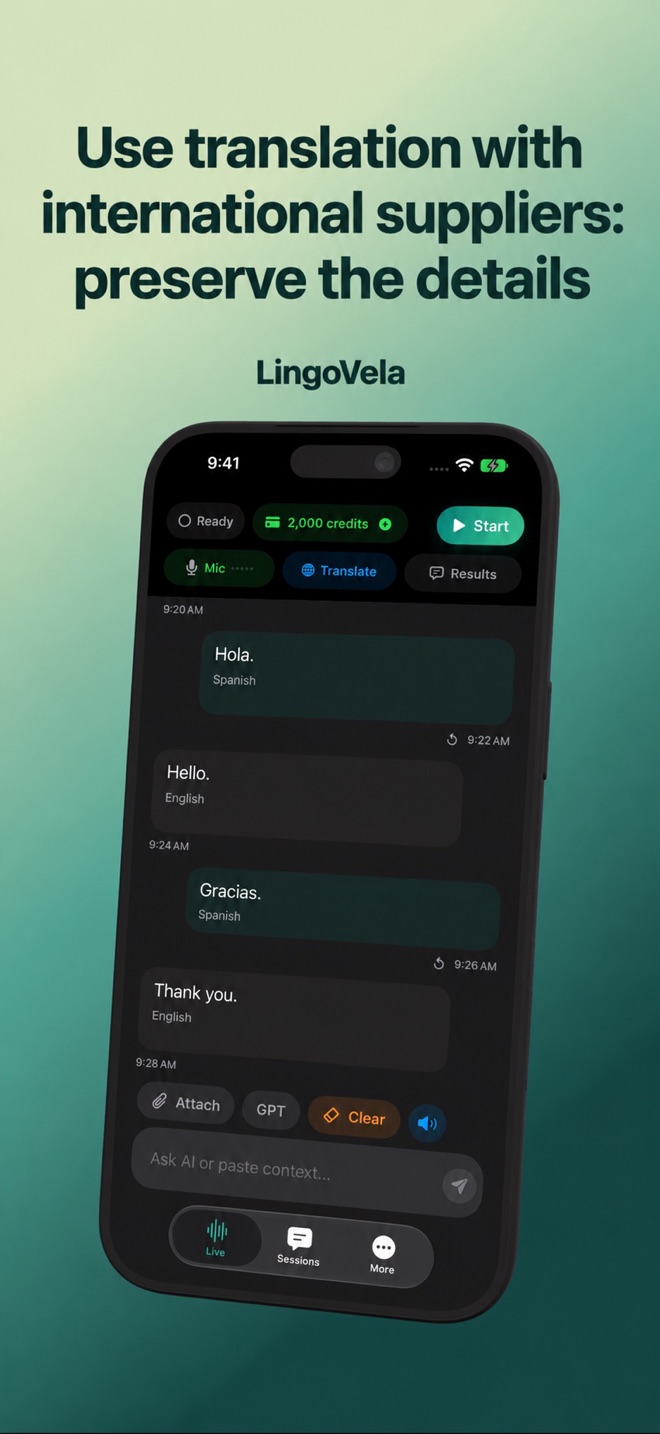
Use translation with international suppliers: preserve the details
A fluent conversation is not enough when a small error changes an order. Keep the specification and the agreed numbers visible.
Prepare a shared reference
Write product names, part numbers, units, quantities and dates in a document both sides can see. Ask one question at a time. Do not translate an abbreviation without explaining what it refers to.
Ask about language and logistics before a supplier call
Ask your contact which language they prefer rather than assuming that every Chinese supplier wants Mandarin or that every English-speaking sales contact can resolve a technical question. Agree on who can confirm the product details. Put the date, time and time zone in the invitation instead of relying on a fixed time difference that may change with daylight saving time.
Share the same specification version before the call. Point to a field or item number while asking a question and let one person finish before translating the reply. If you need a translated phone or video call, check the call platform’s actual capabilities: LingoVela is not a call connector.
A specification check you can read back
Use a short, shared list rather than a long description that mixes several questions. For each uncertain field, keep the original wording and ask the other person to state the value they understood.
- Product or part reference and the version/date of the drawing or sample.
- Quantity and explicit units for each measurement; do not assume both sides mean the same unit.
- Material, finish or colour reference as shown in the agreed specification.
- The meaning of a date: sample ready, goods dispatched or goods arriving are different milestones.
- Who will confirm an unanswered question and where that answer will be recorded.
Ask suppliers to quote the same version
Use one numbered request for every supplier. As a fictional example: reference Q-17, drawing revision C, 240 pieces, a measurement stated in millimetres and a requested dispatch date. Ask each supplier to identify exceptions rather than quietly substitute a material, finish, quantity or arrival date. Comparing two prices without those fields can hide two different products.
Keep a reply column for each field and preserve the original answer beside any translation. Mark it unanswered, proposed or confirmed; record the person and date for the last confirmation. If an answer changes the specification, update the shared revision and ask for a new confirmation. This is a communication record, not proof of product quality or a binding agreement.
Confirm the decision in writing
Read back the price with currency, whether tax or shipping is included, and the exact deadline. Preserve the original wording beside the translation. Ask the supplier to correct the written summary rather than treating a spoken “yes” as complete agreement.
When the supplier conversation starts on Alibaba
Keep the product listing or order reference beside your message, and number your questions so replies can be matched to the right item. If a translation creates an unexpected technical term, return to the original drawing or reference rather than guessing from a fluent sentence.
Alibaba’s current Trade Assurance overview describes an order agreement and payment through its platform as parts of its order-protection workflow. A discussion in another chat or translation app is not the same thing as updating that order. Check the actual order terms and support guidance before changing how you document or conduct the transaction; this guide does not establish eligibility, coverage or a refund outcome.
Record changes after the conversation
Separate a proposed change from one that has been confirmed. Give the changed specification a version or date, identify the exact fields that changed and ask the supplier to correct your written summary. Keep the previous version available so a revised detail cannot be confused with the original requirement.
A translator does not verify the supplier, inspect the sample, update an Alibaba order or decide whether a contract is valid. Use the relevant platform and appropriately qualified people for those tasks. We publish LingoVela; these are communication steps, not an independent sourcing-service assessment.
Do not route around an organisation’s approval
A personal phone does not remove confidentiality requirements. Before translating a business discussion, check whether the actual provider and data path are approved for that material. If not, use an approved interpreter or channel rather than sending the same conversation through a different device.
Choose the right communication tool
LingoVela can assist with an in-person translation or supported input on iPhone and iPad. It is not a promised Alibaba integration, telephone bridge or meeting-platform connector. Use a service designed for the call or platform if that is what you need.
Protect confidential material
Check your organisation’s rules before sending designs or commercial details to an online AI provider. Use a qualified professional for contracts and consequential negotiations. No consumer translator establishes legal validity or universal technical accuracy.
Does LingoVela connect to Alibaba messages or supplier calls?
No integration is advertised here. You can deliberately translate supported input or use a supported in-person conversation workflow. A live platform call or order record needs its own appropriate tools.
Does a successful translation verify a supplier or order?
No. Translation does not verify a supplier, inspect goods, update an order or determine contract validity. Confirm the original specification and use the relevant platform and qualified support for those separate tasks.