Why 'Can' vs 'Can't' Is the Most Dangerous Error in Live Voice Translation
Mastering negation clarity ('can' vs 'can't') comes down to two practical habits: american and british speakers dropping the final 't' in 'can't', making noisy microphones hear 'can' and replacing contracted 'can't / shouldn't / won't' with crisp 'cannot / is not / unable to' whenever stakes matter. Using live speech recognition, dual-language verification, and zero-upload browser drills on iPhone and iPad gives you immediate, objective feedback.
Why negation clarity ('can' vs 'can't') trips up smart learners and travelers
Reading silently in a textbook builds passive recognition, yet real spoken turns demand American and British speakers dropping the final 't' in 'can't', making noisy microphones hear 'can'. Without visual confirmation of what a speech recognizer actually heard from your mouth, subtle vowel, stress, or register errors go unnoticed for months.
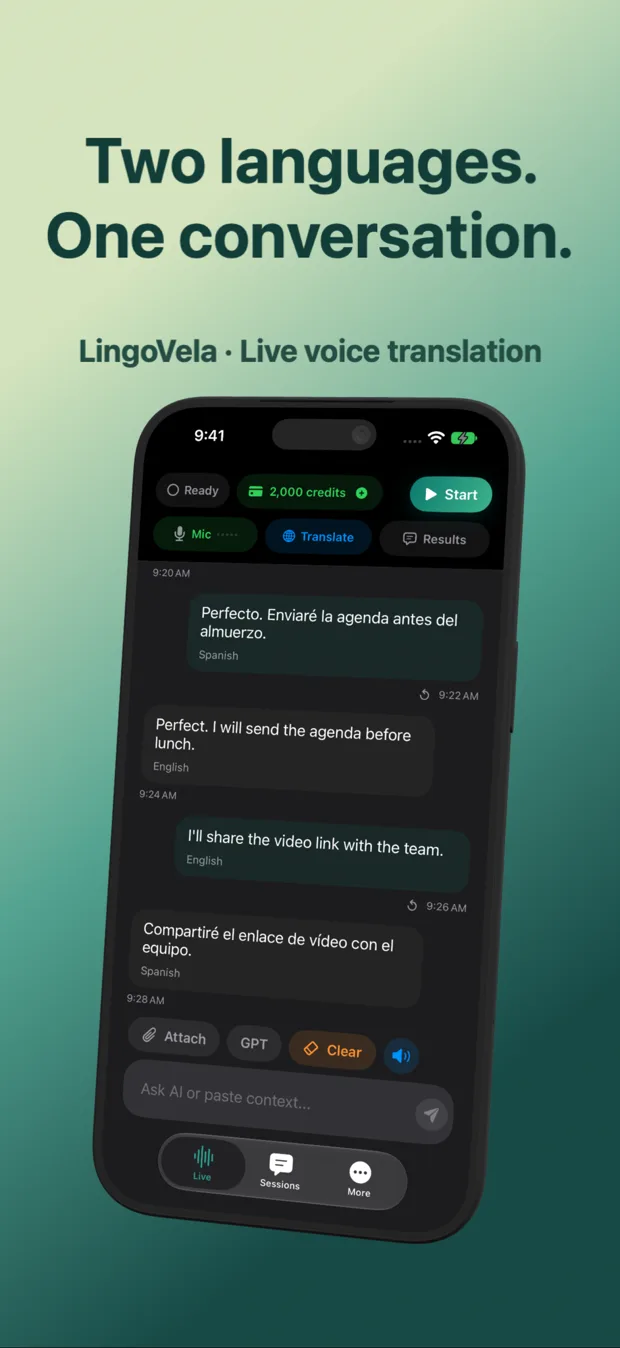
Equally important is replacing contracted 'can't / shouldn't / won't' with crisp 'cannot / is not / unable to' whenever stakes matter. Seeing both the captured source transcript and the target translation side by side lets you catch misunderstandings in half a second rather than three minutes later.
5-minute repeatable iPhone & browser routine
Run this short, low-pressure routine before your trip, exam, or meeting.
- Open Microphone Loopback & Clarity Tester (/tools/pronunciation-microphone-loopback-tester/) in Safari or launch a live LingoVela session in your target language pair.
- Speak a concrete test sentence aloud: 'I cannot eat shellfish or peanuts—please confirm there is zero shrimp in this sauce.'
- Check the recognized transcript word for word—if a word changed, slow down slightly on that syllable rather than speaking louder.
- Play the spoken translation and shadow its rhythm once out loud to lock in natural cadence.
Combining solo speaking practice with a live conversation safety net
The fastest way to gain real confidence abroad is starting every cafe, hotel, or family interaction in the local language yourself—while keeping LingoVela open on your iPhone so you can immediately understand fast, idiomatic replies without panic.
What single speaking habit improves speech recognition accuracy the most?
Say 'cannot' or 'do not' instead of 'can't' or 'don't'—two full syllables survive background cafe and street noise dramatically better.
Can I practice this offline on a flight?
Yes—once you download supported language and speech packs over Wi-Fi, LingoVela's On-Device mode runs in Airplane Mode using zero AI credits.